Civil Engineering Works
 Techniques
Civil Engineering Works
Techniques
Civil Engineering Works
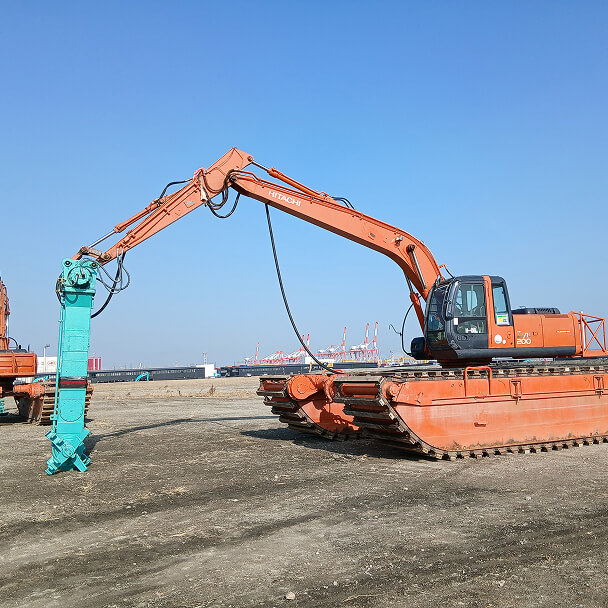
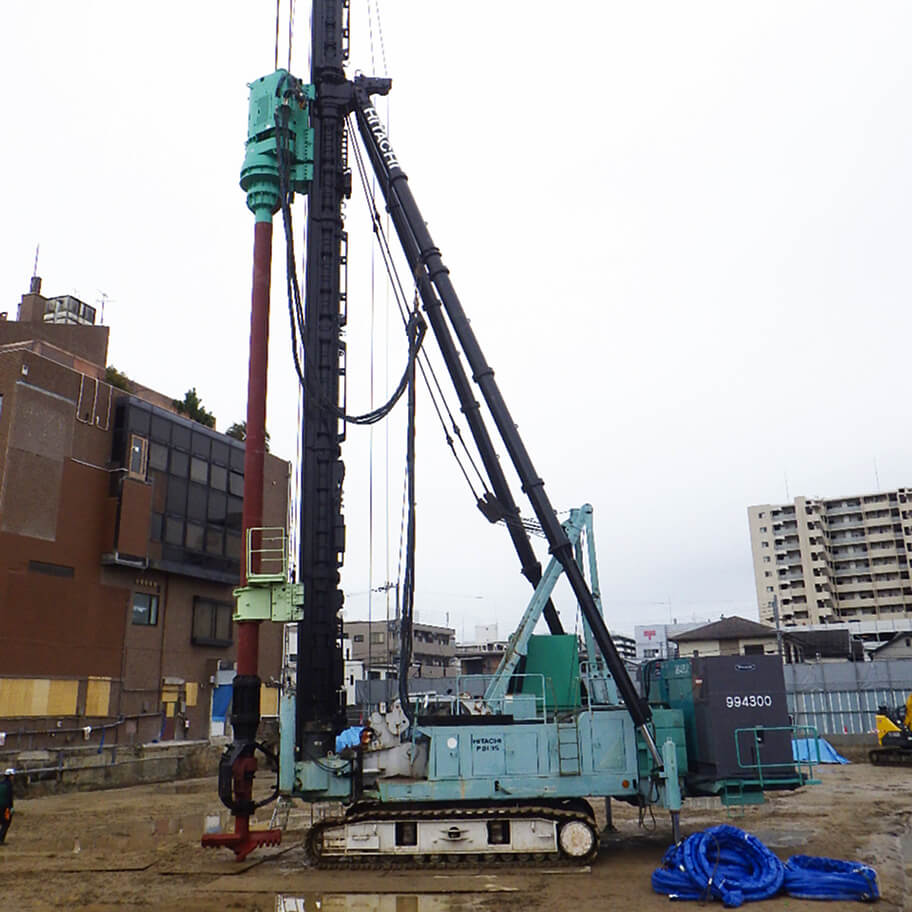
Japan’s geology is highly complex, and the plains where most of the population resides are predominantly composed of soft alluvial deposits.
When constructing large-scale structures or underground facilities, foundation works such as piling and diaphragm walls are essential to prevent settlement and structural failure.
Our Construction Headquarters operates as a specialized foundation contractor, providing integrated services from design to construction management at building sites.
We will continue to engage in dialogue with the Earth, contributing to Japan’s economic development through underground development and foundation construction.
TOATONE

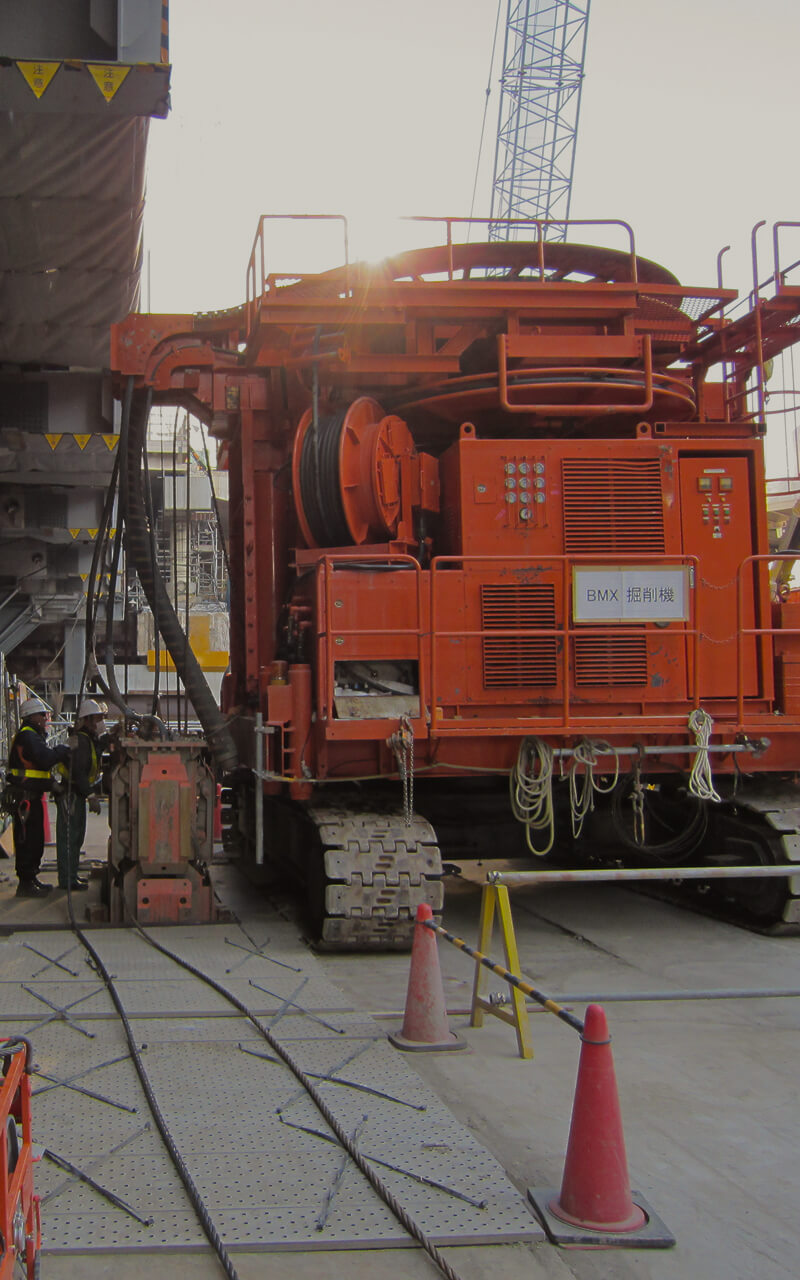
method01 Diaphragm Wall Construction
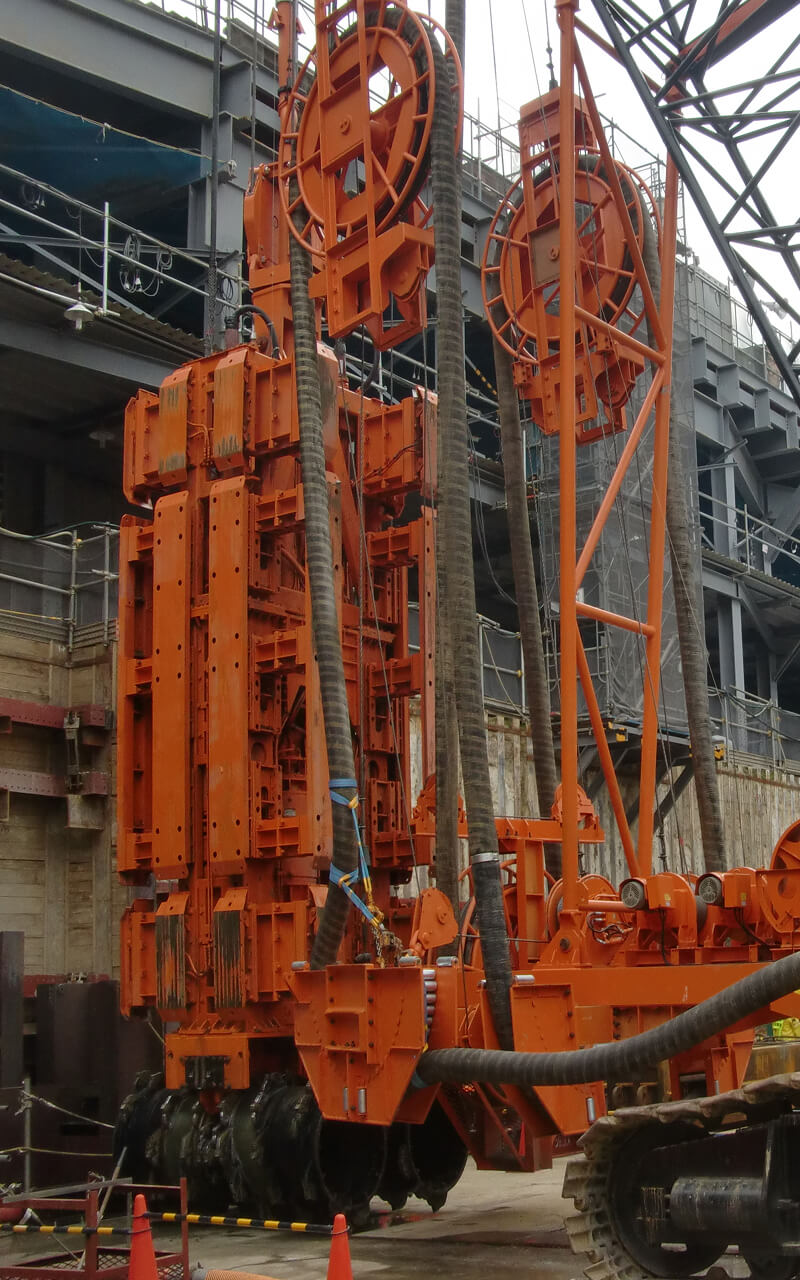
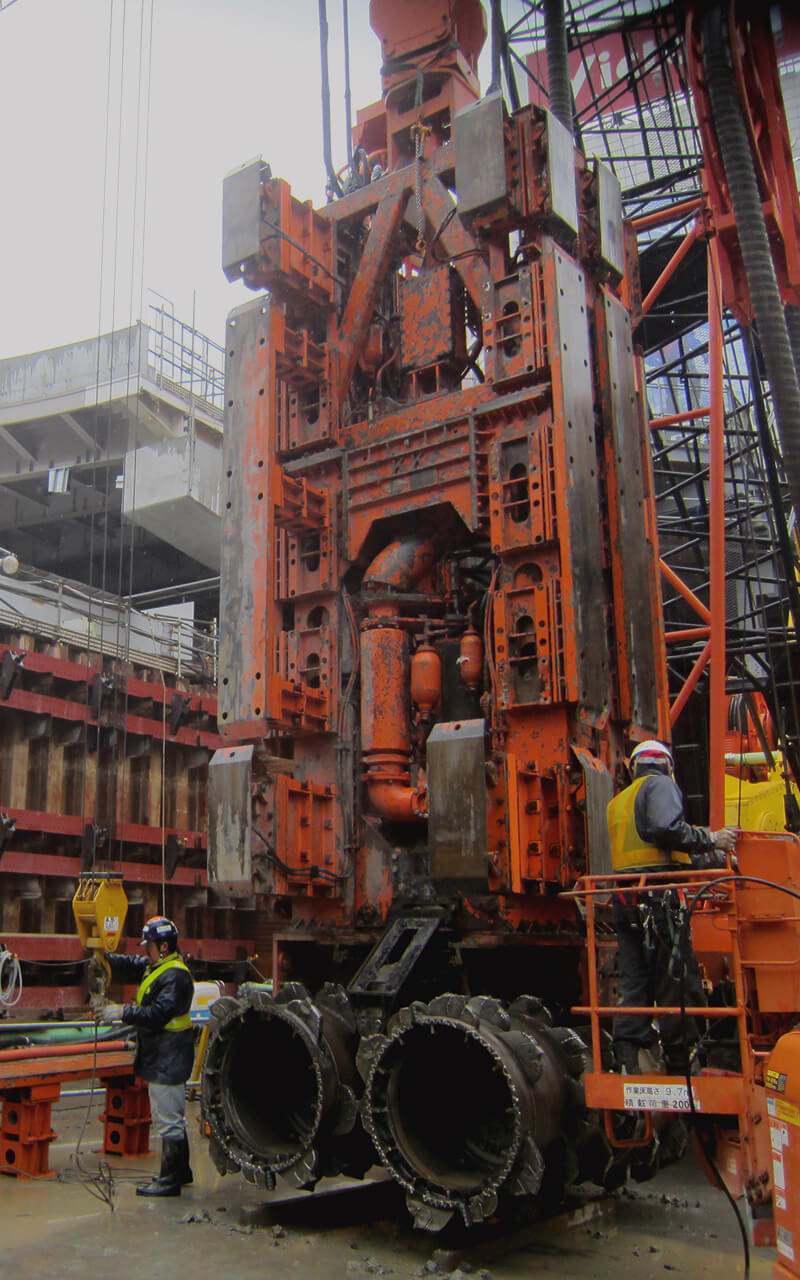
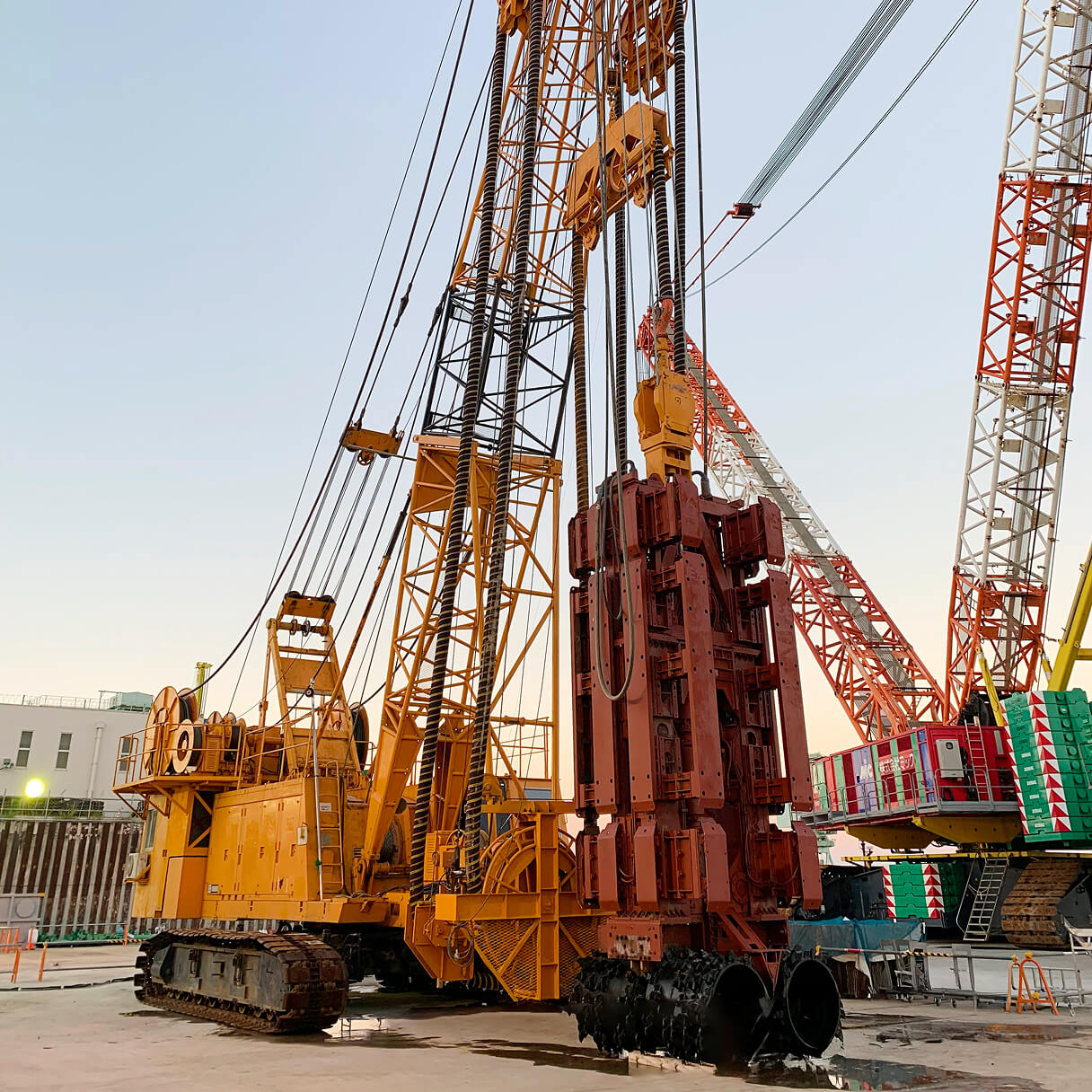
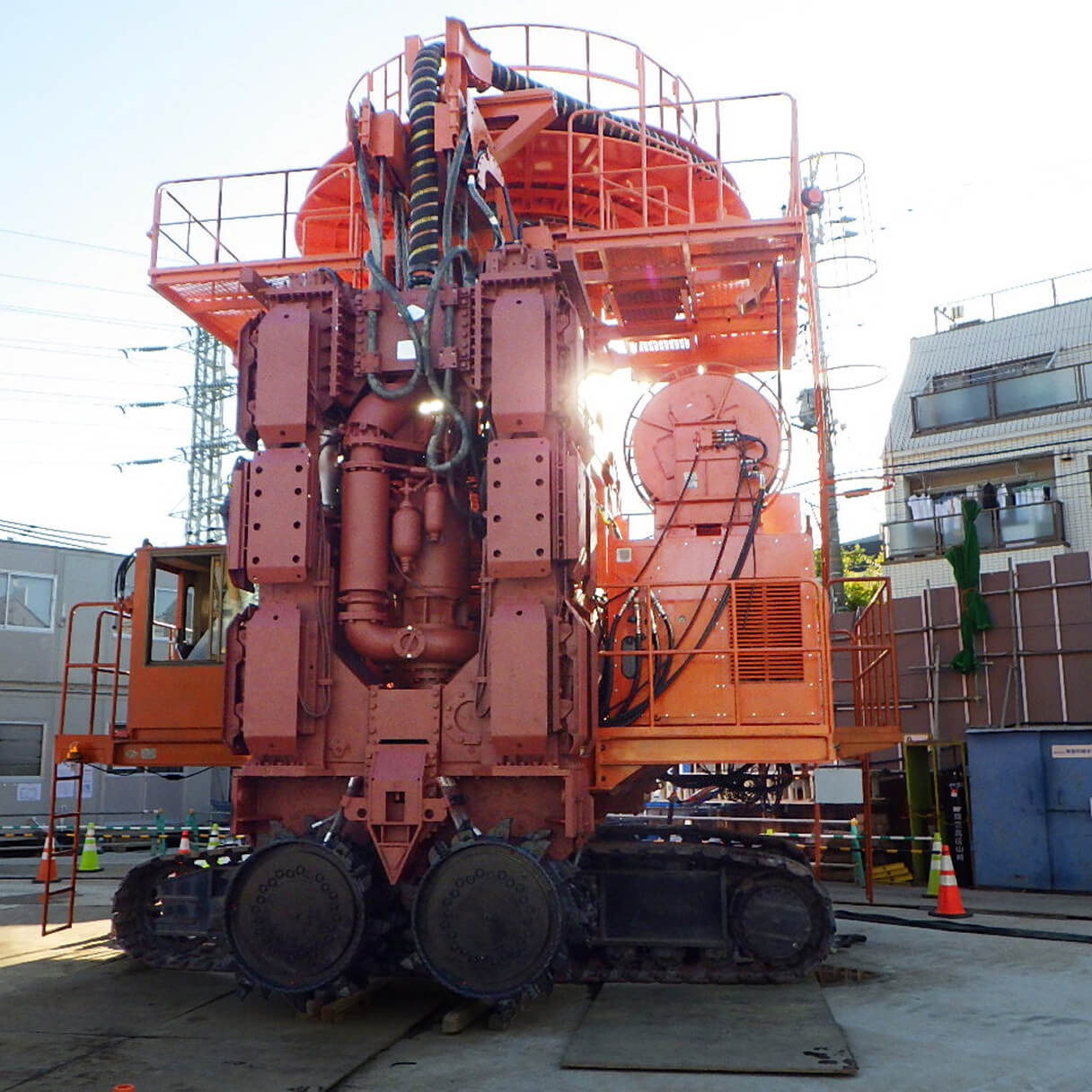
This involves continuously constructing a reinforced concrete wall underground, which is widely utilized not only as a foundation for above-ground structures but also as an earth retaining wall or cutoff wall for underground facilities (such as station buildings, commercial facilities, etc.). Furthermore, the continuous wall itself can be used as the outer wall of the underground structure.
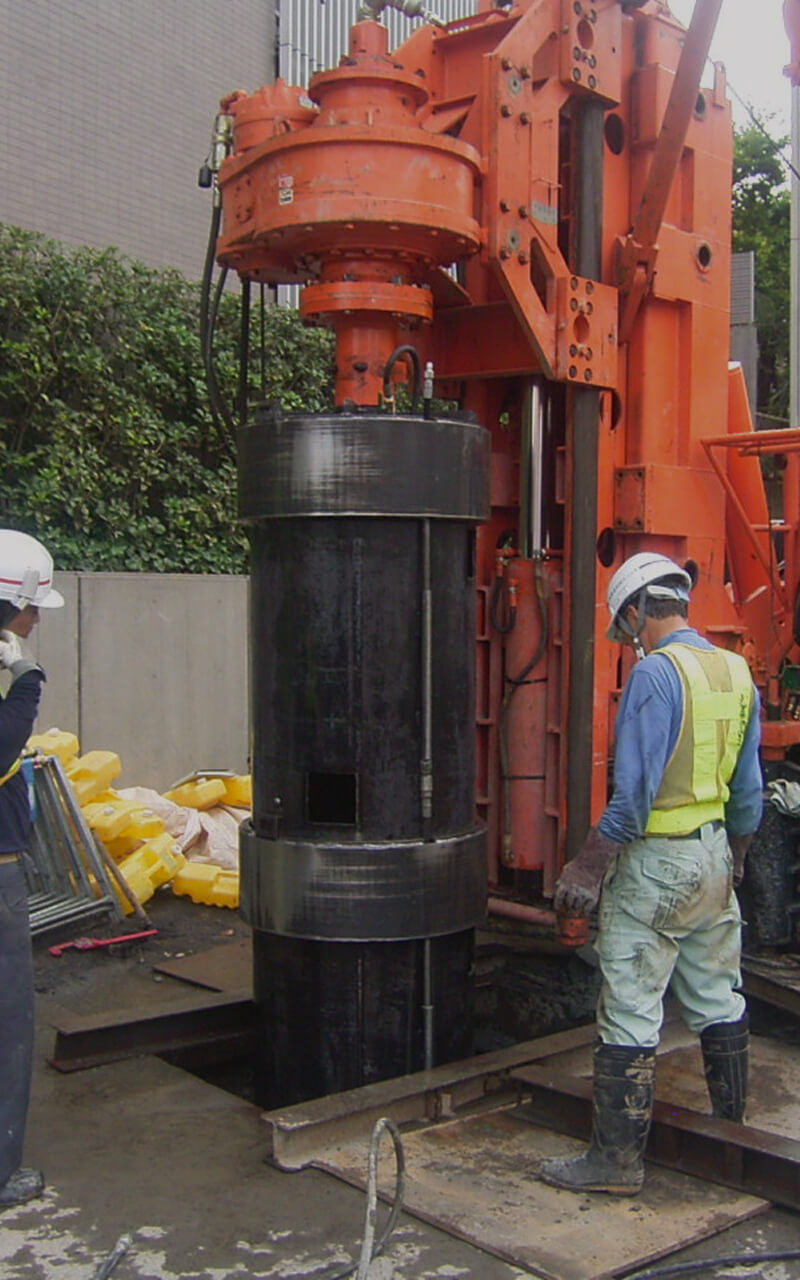
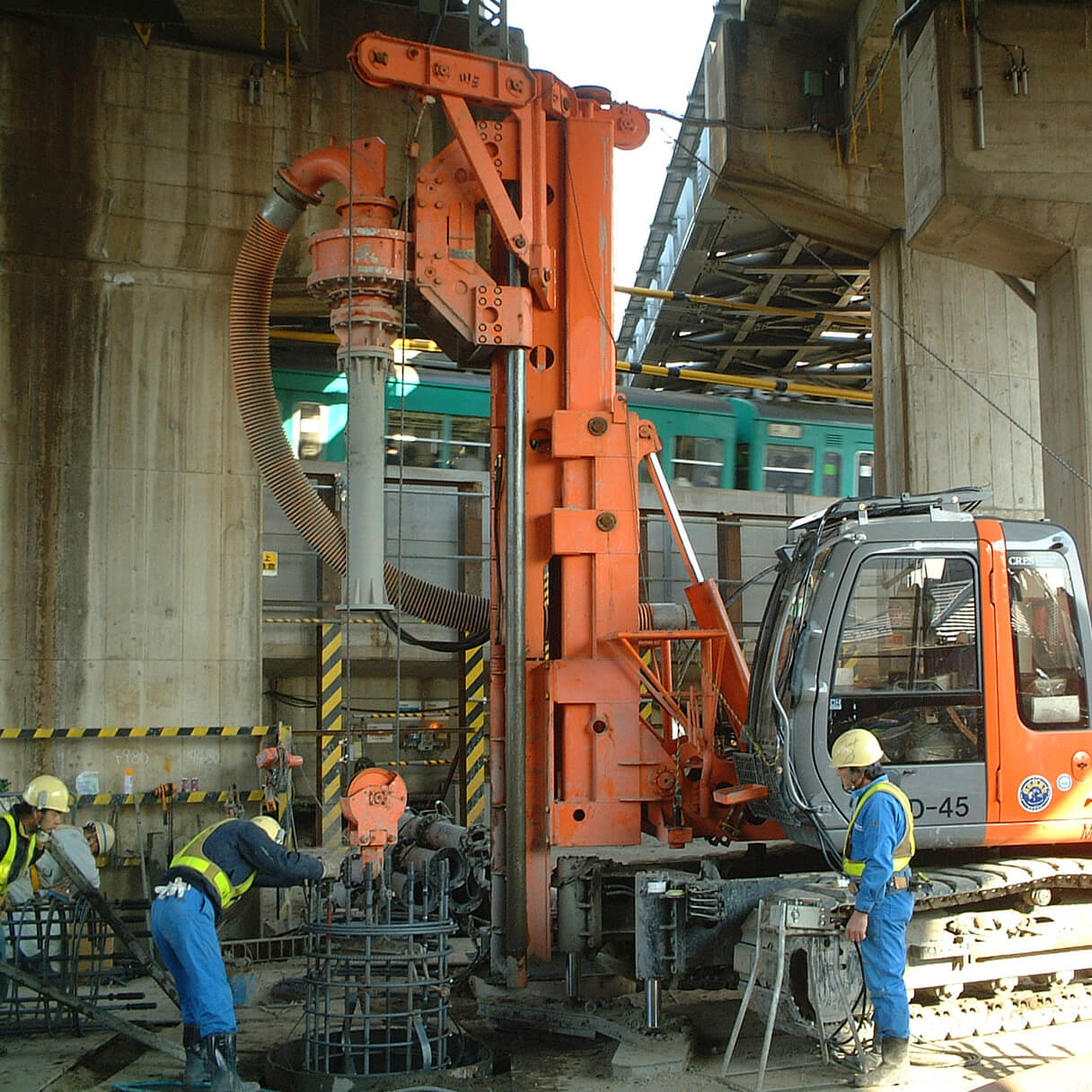
method02 Cast-in-Place Pile Construction
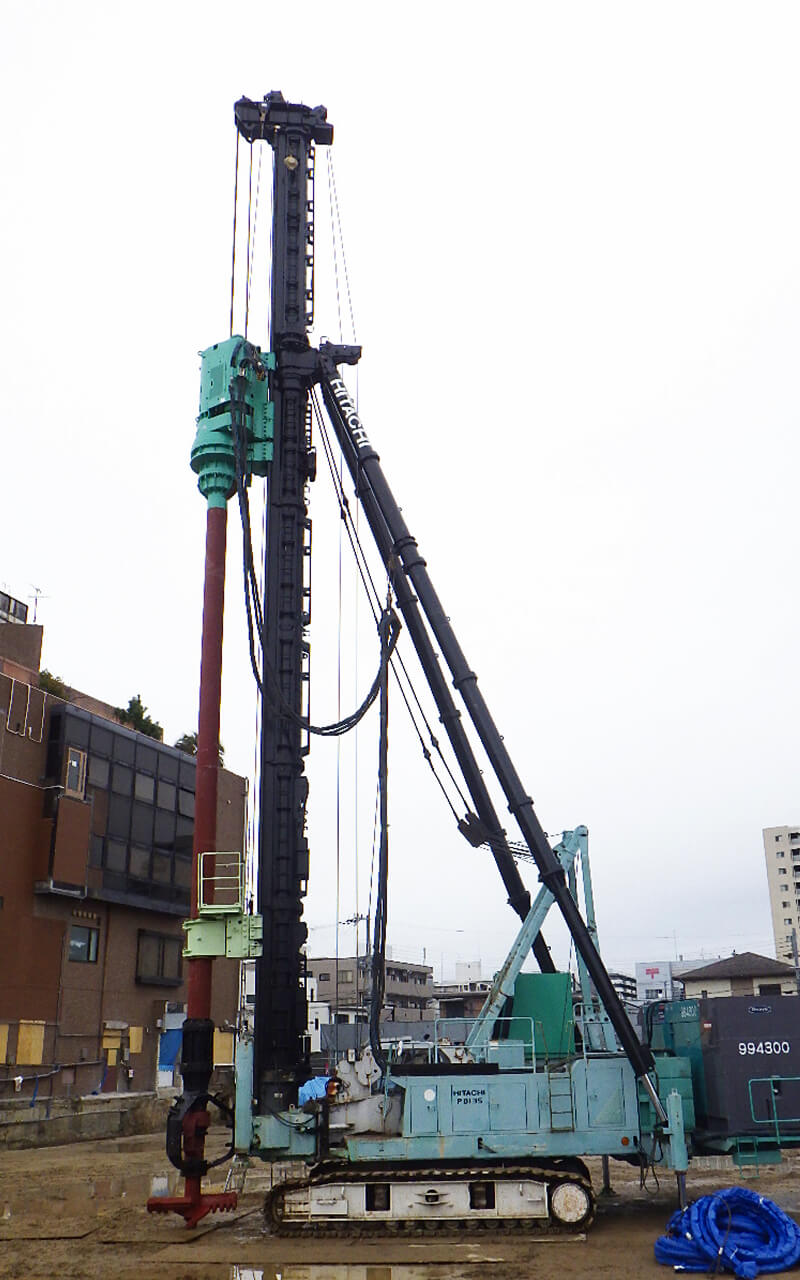
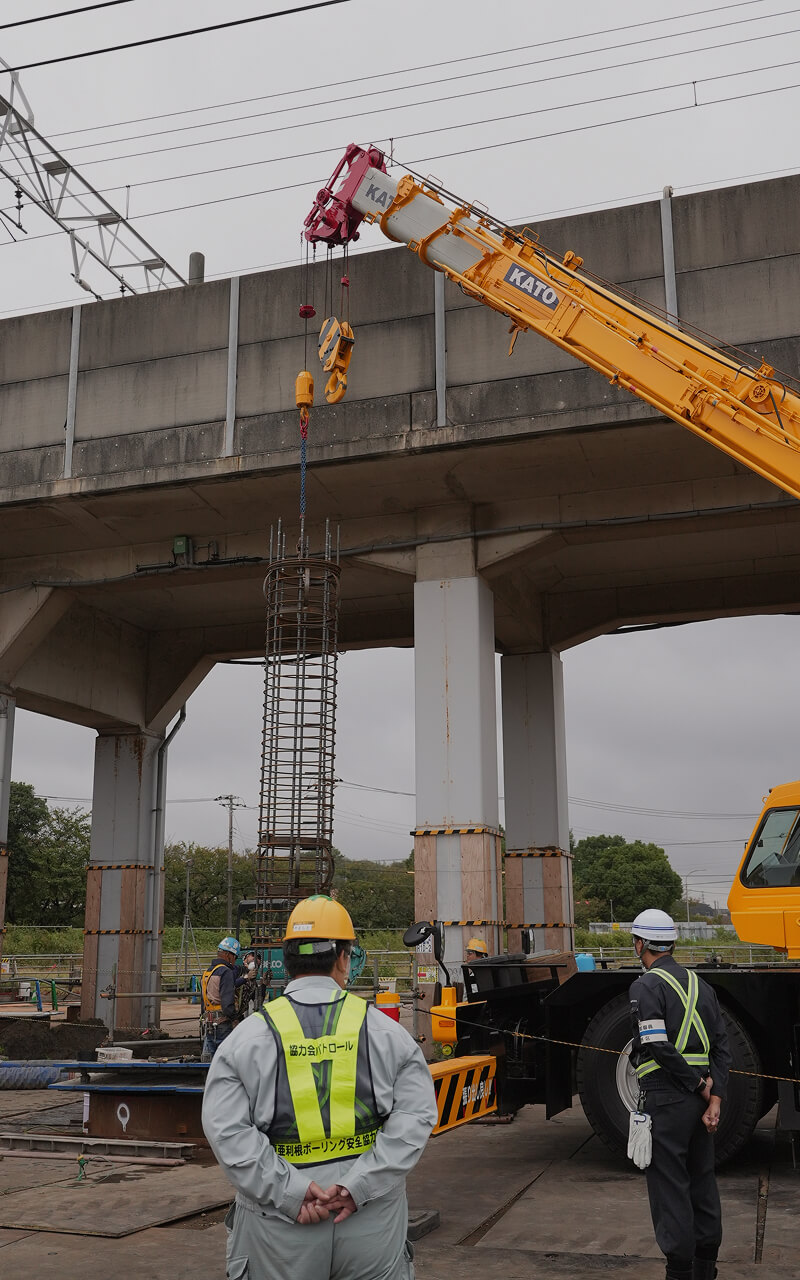
This construction method involves directly forming piles underground by excavating pile holes, installing cylindrical reinforcing cages, and placing concrete, thereby securing ground bearing capacity and improving structural stability.
Compared with construction using precast piles, this method allows greater flexibility in pile diameter and pile length.
method03 Ground Improvement Work
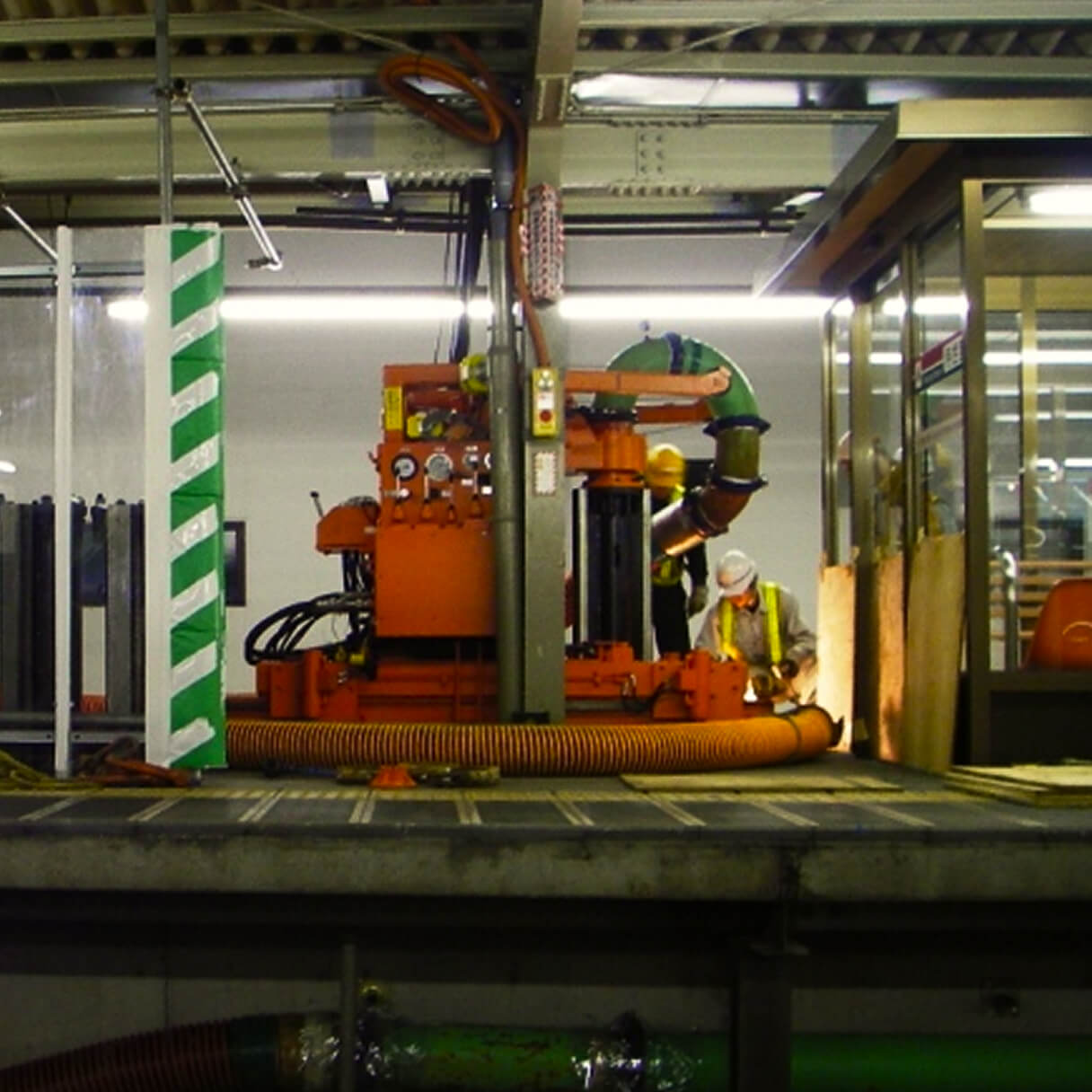
This ground improvement work is carried out to artificially enhance the properties of the soil, ensuring the safety and durability of structures.
In particular, in areas with soft ground where the risk of insufficient bearing capacity and settlement is high, ground improvement is an essential foundation measure.
It is also carried out to reduce impacts on the surrounding environment during earth-retaining works.